India's whisky
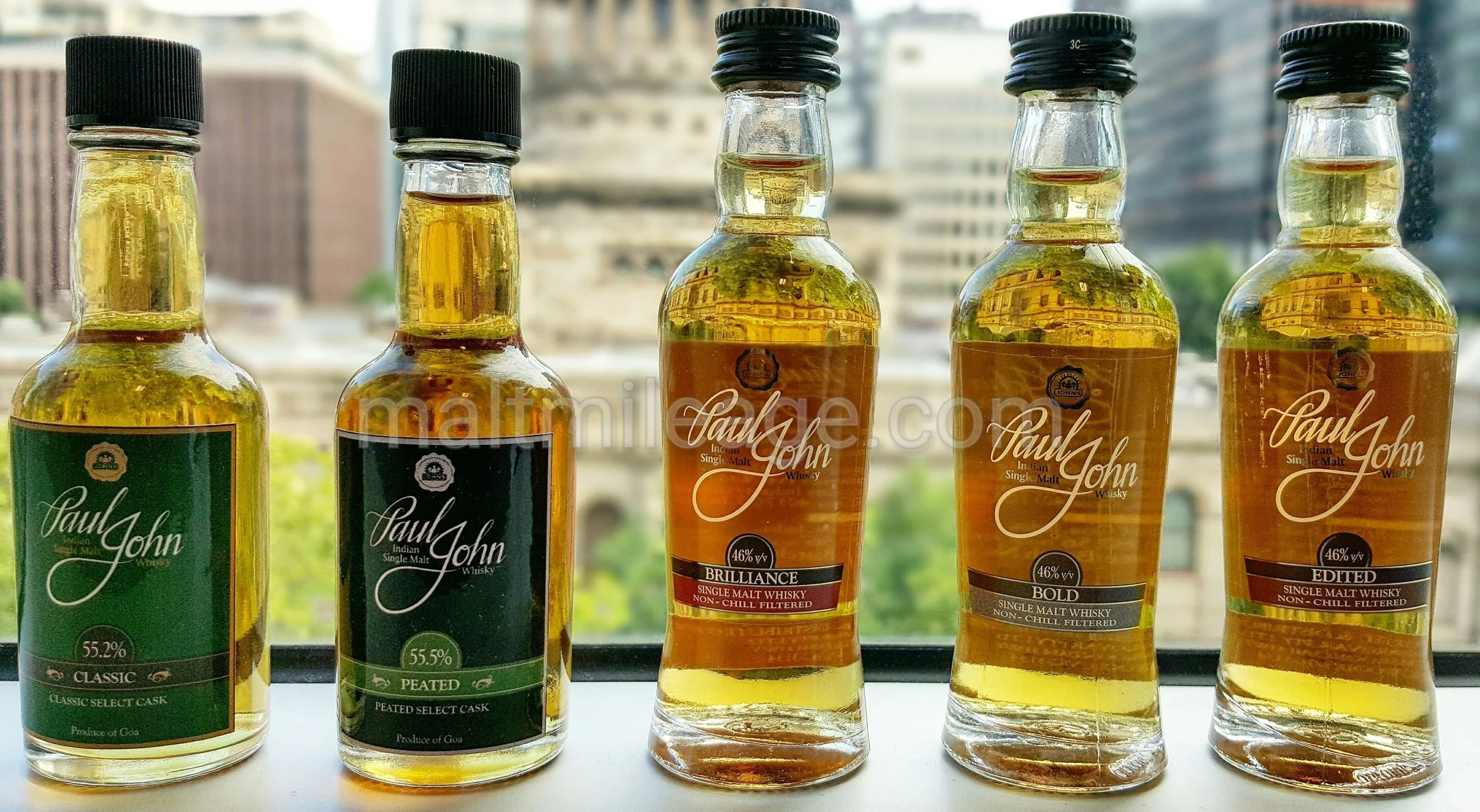
India's whisky industry began as early as the mid-18th century, when a Briton established the Kasuli distillery and released India's first malt whisky—Solan No.1. Because India was once a British colony, Indian whisky was naturally influenced by Scotland, but traditional production used cheap molasses fermented into alcohol and then distilled; at the time grains had to be reserved for food. India consumed a lot of whisky, but because it was made from inexpensive molasses it leaned toward rum-like spirits, mixed with soda or cola, and couldn't be compared to true whisky. Only by the late 20th century did producers start to focus on grain-based distillation; thanks to Amrut and Paul John, Indian whisky reached the international stage. Amrut was the first to produce an Indian single malt about twenty years ago, followed by Paul John a decade or so later, which used locally made copper pot stills.
Whisky production relies on water sources, and western Goa's soft water is notable; producers use six-row barley, which differs markedly from other countries' materials and is commonly cited as a reason for Indian whisky's nutty and spicy character. India has a tropical climate—temperatures in the northern plains and west can reach 45°C, and annual angel's share can exceed 10%. Spirits mature quickly in barrels; oak extraction is sufficient to maintain a lively body and tropical fruit notes, but oxidation-driven complexity still requires time. High evaporation can also lead to excessive oak influence, so maturation periods must be carefully calibrated.
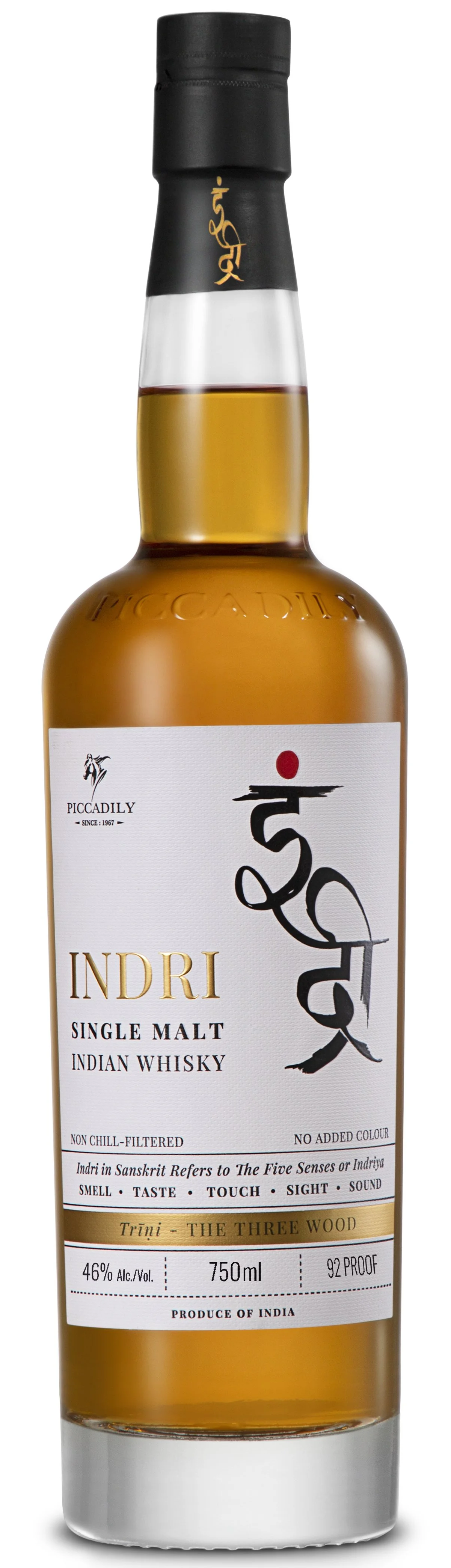
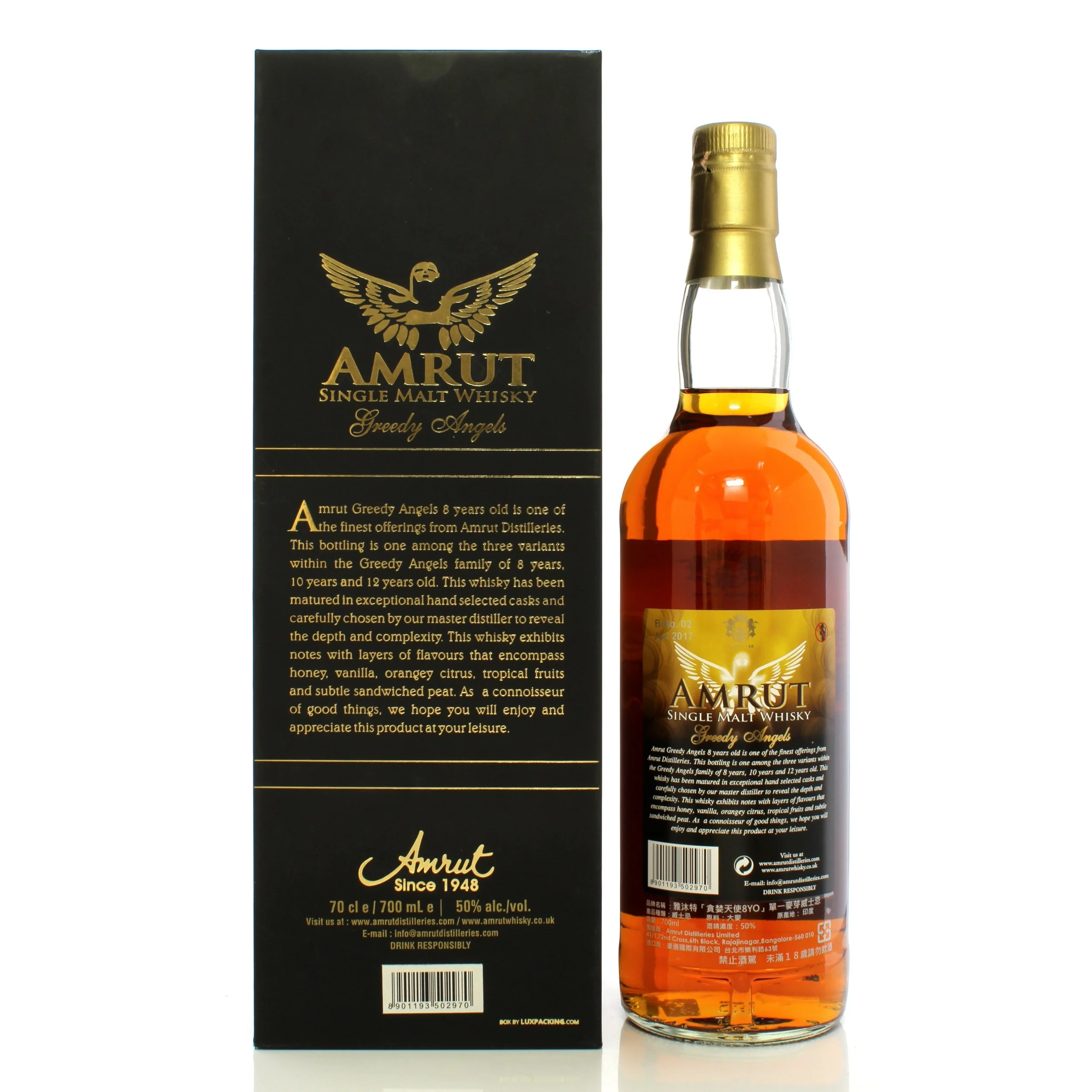
Most products can be released to market within just a few years, so expressions older than eight years are rare; among them Amrut's limited Greedy Angels series aged eight and ten years are already extremely rare representatives of Indian single malt. Modern Indian single malt whisky is developing: the domestic middle-class market is shifting toward malt, exports are rising, new distilleries are emerging, and barrel diversity is increasing, bringing new stimuli. For example, the well-known Rampur is noted for its elegance—its Asava is finished in local red wine casks; Piccadilly Distillery's recent Indri Trini three-cask release—red wine, sherry, and bourbon casks—has already won significant international awards.
印度威士忌工業早在十八世紀中期已開始,當年由一位英國人建立了Kasuli 蒸餾所並推出第一瓶印度麥芽威士忌 - Solan No.1。由於曾是英國殖民地關係,印度威士忌自然受蘇格蘭影響,但傳統材料是採用廉價的molasses發酵成酒精再蒸餾而成,當年原因是穀物必須要留作食物用途。在印度威士忌消耗量很大,但止於以平價Molasses材料釀造,偏向於rum酒,配合梳打水或可樂等雜飲,不能比較真正威士忌。到二十世紀末才開始重視以穀物材料釀造,後來多得Amrut和Paul John兩大品牌把印度威士忌帶出國際,Amrut 首先在廿年前生産印度單一麥芽威士忌,然後Paul John在十多年前加入,並採用印度本土打造蒸餾銅壼。
生産威士忌水源尤以西部Goa屬軟水,採用六行大麥six roll barley,這些材料又和其他國家截然不同,也是一般認為印度威士忌堅果和辛辣風味的原因。印度屬於熱帶氣候,北部平原和西部温度可高達45度,每年Angel Share 可超過10% 這般利害,酒液在木桶陳熟快速,橡木桶extraction是足夠的,維持輕快酒體,熱帶水果風味,但酒液本身的oxidation是依靠時間才能製造更多複雜感,不過高蒸發度又可促成攝取過多木桶風味,所以熟成時間必須拿揑準確。
一般産品短短幾年間已可推出市場,所以超過八年以上的産品是罕有的,市面上要數Amrut 限量版Greedy Angels系列八年和十年已經是極罕有的印度單一麥芽代表。現代印度單一麥芽威士忌正在發展中,國內中産階層市場也轉向麥芽,出口也在攀升,新酒廠湧現,橡木桶續漸多元化,帶來不同刺激。好像市場上著名的Rampur 是以優雅見稱,其Asava 是以本地紅酒木桶熟成; 還有Piccadilly Distillery近年的Indri Trini 三桶 : 紅酒、雪利和波本木桶, 已連奪不小國際大獎。